

Ad Creative That Converts: 20 Scroll-Stopping UGC Formats
(With Scripts, Psychological Triggers & Creator Scaling Strategies for 2025)

Why UGC Creative Still Wins
(And Why Most Brands Get It Wrong)
UGC keeps winning because people trust people. A real voice, a real face, a quick story - that’s what holds attention on TikTok, Reels, and Shorts. Meta’s 2024 benchmark data shows 4x higher click-through rates and 50% lower CPAs when brands lean into creator-led, native-style content.
No surprise there: if it looks like an ad, users swipe. If it looks like content they already enjoy, they stay.
Here’s the miss. Many brands treat UGC as one-off “authentic” clips. No structure. No testing rhythm. Results bounce around and budgets leak.
The brands growing fast treat UGC like a system. They build a creative library that’s designed to:

Blend in natively on TikTok, Reels, and Shorts

Use psychological triggers that move viewers from “nice” to “I’ll try it”

Scale creator production and testing without burning out the team
Inside this guide you’ll get:

20 UGC ad formats that reliably stop scrolls and drive sales

The psychological principles that make them work

A simple production and testing framework you can run weekly
Want to see how your creative stacks up
The Formula for Scalable, High-Performing UGC Ads
The best UGC ads don’t happen by accident. They follow a repeatable formula built around four pillars. Brands that scale creative output (and results) consistently operate inside this framework.
The Four Pillars of Winning UGC Ads

Native Format
Content must feel natural on TikTok, Reels, and Shorts. If it looks like an ad, people skip. If it looks like content they already consume, people watch.

Psychological Triggers
High-performing ads go beyond showing a product. They use proven psychological triggers (like social proof, urgency, or belief-breaking) that move viewers from passive interest to action.

Creator-Led Production
People trust people. Relatable faces, authentic delivery, and storytelling always outperform faceless product shots or polished studio voiceovers.

Relentless Testing
No single ad format wins forever. Scaling requires volume and iteration. 20+ variations per week to consistently uncover new winners and avoid creative fatigue.
| Frame | What It Is | Why We Use It | Example |
| Frame 1: Hook / Attention Grab | First 0–3 seconds, big claim or surprising statement. | Stops scroll, sets expectation immediately. | “I wasted $200 on other serums. This one actually worked.” |
| Frame 2: User Situation | Real person in a relatable scenario. | Creates connection and context so the viewer sees themselves. | Creator showing their cluttered kitchen before demoing an organizer. |
| Frame 3: Proof / Demo | Show the product solving the problem in action. | Builds credibility. Viewers believe what they see. | Pouring red wine on fabric, then cleaning it instantly with the product. |
| Frame 4: Solution | Clear explanation of how the product helps. | Translates the demo into value. Bridges gap from interest to belief. | “It’s made with enzyme technology, so stains vanish in seconds.” |
| Frame 5: Benefits | Quick hits of supporting benefits or differentiators. | Reinforces the decision, strengthens persuasion. | “Ships free, 100% natural, 30-day guarantee.” |
| Final: Soft CTA | Light push to act without sounding like an ad. | Turns attention into measurable action. | “Try it today and see the difference.” |
The 5 Psychological Triggers That Power Conversions in Meta Ads
What separates high-performing UGC ads from wasted spend is the use of proven psychological triggers. These triggers tap into how people actually make purchase decisions and push viewers from passive attention to action.

Challenge Beliefs / Cognitive Dissonance
Ads that break assumptions force people to pay attention. When a creator says “I thought all protein powders tasted chalky, then I tried this,” the viewer’s belief is challenged and curiosity pulls them deeper.

Loss Framing and Contrast Bias
People act faster to avoid losses than to gain something new. Highlighting the cost of sticking with the status quo (“Stop wasting $50 on junk serums”) or showing sharp before-and-after contrasts keeps viewers engaged and motivated to change.

Authority and Trust Bias
Viewers trust credible voices. That can be:
- a brand founder addressing FAQs
- a creator who feels like an insider
- a simple on-screen testimonial paired with star ratings
Authority reduces hesitation and builds purchase confidence.

Objection Handling
Ads that address doubts upfront convert better. Think of a skincare founder saying, “Yes, we are more expensive, but here’s why customers say it’s worth it.” Handling objections inside the ad short-circuits hesitation at checkout.

Social Proof and Scarcity
When people see that others are buying, they want in. Layering real testimonials, review snippets, or a creator saying “10,000 people already switched” with urgency cues like “limited stock” drives immediate action.
📊 Across Porter-managed accounts, ads that stack at least two triggers consistently outperform single-trigger ads. In many cases, that means 20 to 40 percent higher ROAS.
Why They Matter
We see it every day: ads that layer at least two psychological triggers consistently beat out single-trigger ads. Stack something like urgency on top of social proof and suddenly you’re looking at 20 to 40 percent higher ROAS.
And it’s not just us. Decades of marketing psychology back this up. Ads built on emotional triggers deliver up to 23 percent higher sales lift. When you stack multiple biases (think scarcity plus authority, or belief-breaking plus proof) conversion rates climb even higher.
It comes down to this: people don’t buy because of one reason, they buy because of a mix of emotions, logic, and trust. The best ads check more than one of those boxes in the same 15 seconds.
| Industry | Social Proof | Scarcity/Urgency | Authority/Trust | Belief Breaking | Objection Handling |
| Beauty & Skincare | High | High | Medium | High | Medium |
| Health & Wellness | High | Medium | High | Medium | High |
| Apparel & Accessories | High | High | Medium | Medium | Test |
| Home & Lifestyle | Medium | Medium | Medium | Medium | Medium |
| Tech & Gadgets | Medium | High | High | High | Medium |
The 20 Scroll-Stopping UGC Formats for 2025
1. Reaction Duets
If you’ve spent any time on TikTok or Reels, you’ve seen it: a creator watching a video on one side of the screen, reacting in real time on the other. That’s a reaction duet, and it’s one of the most powerful UGC ad formats in 2025.
Why it works:
People are naturally curious about how others respond. A shocked face or genuine laugh grabs attention in a split second. Instead of scrolling past, viewers lean in because they want to see what caused the reaction.
This is why reaction-style ads often outperform polished brand spots, delivering up to 4x higher CTR and 50% lower CPC compared to traditional studio content.
From a psychological perspective, this format taps two major triggers:
- Cognitive dissonance: the “Wait… really?” moment that makes people pause.
- Social proof: if someone else reacts strongly, it must be worth checking out.
How to structure it:
- Start with a bold hook. The creator’s face, text overlay like “Wait… what?!”, or even a gasp.
- Show the product moment that triggered the reaction (demo, transformation, or surprising feature).
- Layer in the reaction itself. Short, verbal, and emotional.
- Close with a light CTA such as “See for yourself — link below.”
This format shines for beauty products, life hacks, gadgets, impulse buys, and anything trending. For example, imagine a creator reacting to a self-cleaning water bottle: “How is this even real?”
See it in action:
- https://youtube.com/shorts/KtsaanKUs-g?si=1bEM-irC9axM4io4
- https://youtube.com/shorts/JCt3VlPUF50?si=kykcCDqSxCUl08pF
- https://youtube.com/shorts/6ruPsyOiDCE?si=fMUUCWCS-0YYcF7Q
- https://youtube.com/shorts/jNh52yTiM3A?si=LLn4F0LoUu1B6lDp
Testing tips: play with different reaction styles (shock, humor, disbelief), rotate the on-screen hook text, and test trending audios to keep it fresh.
2. 7-Second Problem Solver
A short-form ad that names a pain point and shows the fix fast. The whole value story lands in ~7 seconds: problem → product → payoff.
Why It Works
People don’t want a lecture but a relief. This format earns attention because it respects time and promises an immediate outcome.
Across 2024 tests, we consistently saw higher hold rates versus generic UGC when the fix appeared in the first few seconds; +25% is common when the solution is obvious and visual.
It also creates a neat memory: “This brand solves that headache.”
Psychological Triggers
The 7-second problem solver works because it taps into two of the strongest psychological triggers.
First, there’s loss aversion. People hate wasting time, money, or effort, and they’ll act faster to avoid a loss than to gain something new. That’s why a simple line like “Stop wasting $50 on junk serums” lands so hard.
The second trigger is urgency. When the solution appears instantly on screen, it creates a subtle push to act right now rather than later.
- Loss aversion: “Stop wasting time/money/effort.”
- Urgency: The fix happens now, which nudges action now.
Together, these triggers make short ads hit harder. Viewers are feeling the sting of a problem and the relief of a solution, all within a few seconds.
Script Framework
- Hook (0–2s): “Stop wasting money on [X].” (on-screen text + VO)
- Visual Problem (2–4s): A quick, relatable mess or frustration (no narration needed).
- Product Fix (4–6s): One clear shot of the product solving it. No cuts that hide the moment.
- CTA (6–7s): “Get yours now.” (button + text overlay)
Keep it literal. If the viewer can’t see the fix, they won’t believe it.
Timing Blueprint (use this when you brief creators)
- 0:00–0:01 Hard-cut hook. Big text. Crisp sound cue.
- 0:01–0:03 Show the pain (close-up; exaggerate slightly so it reads on a phone).
- 0:03–0:06 Single, uninterrupted fix shot (POV or macro).
- 0:06–0:07 Price/offer + CTA + logo bug (small).
Best Use Cases
Skincare, supplements, kitchen tools, cleaning gadgets - anything with a visible before/after or a fast, tangible payoff (time saved, mess avoided, money kept).
-

Skincare:
Time-lapse of a redness-calming serum; text: “Red in the AM? Calm by PM.”
-

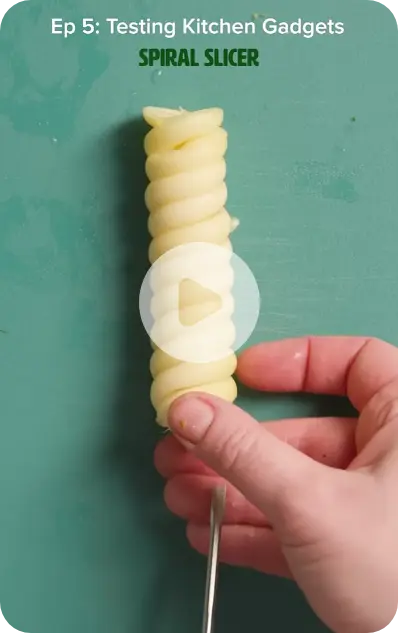
Kitchen
Pan with burnt residue → one spray + wipe; text: “30 seconds. No elbow grease.”
-

Cleaning
Muddy sneaker → foam + wipe; text: “White again. Under a minute.”
-

Supplements
Morning bloat meter (tape measure/jeans button) → post-dose comfort icon; text: “Breakfast without the bloat.”


Hook & Line Variations (copy bank)
- “Stop wasting $ on [ineffective thing]. Here’s what works.”
- “If [pain] keeps ruining your day… fix it in seconds.”
- “You don’t need [expensive workaround]. Use this.”
- “This is why mine looks new and yours doesn’t.”
On-Screen Text (silent-scroll friendly)
Top line: “Stop [pain]” / “Fix [pain] in:07”
Mid: “One spray. Wipe. Done.” / “Press. Twist. Clean.”
CTA badge: “Get yours now” / “Try today. Free returns”
Creative Notes That Lift Performance
When you’re producing a 7-second problem solver ad, every detail counts. Tight, macro shots make the fix believable, while single-take payoffs prevent viewers from doubting the result.
The “mess” should feel realistic, not staged; otherwise, trust disappears. Layer in satisfying sound cues (a wipe, click, or fizz) to keep attention, and always run with captions, since many people watch muted.
Most importantly, don’t overclaim. If the promise can’t be proven on camera, leave it out. Real mess, real fix, real result—that’s the formula that convinces.
Testing Tips
Test one variable at a time so you learn quickly:
- Pain angle: time vs. money vs. hassle vs. quality.
- Hook style: direct call-out (“Stop wasting…”) vs. question (“Still fighting…?”).
- Proof style: time-lapse vs. real-time macro vs. split-screen before/after.
- CTA: “Get yours now” vs. “Try it today” vs. “See it work.”
- Offer microcopy: “Ships today” / “30-day guarantee” / “Under $25.”
Simple Creator Prompt (copy/paste)
“Record a 7–9s clip showing the problem and your product fixing it in one take. Start with on-screen text ‘Stop [pain].’ Show the mess for 2s, then show the fix clearly for 3s in a single uninterrupted shot. End with ‘Get yours now.’ Add captions. No heavy filters. Keep it real.”
3. Grid Style UGC
A grid-style ad uses a split-screen of 4–6 panels to showcase products, bundles, or benefits all at once. It feels almost like flipping through a digital catalog, only faster, catchier, and made for vertical video.
Why It Works
Our brains are drawn to patterns. A grid naturally guides the eye and encourages viewers to keep watching as each panel updates.
In client tests, this format boosted engagement times by up to 40% compared to single-frame UGC. It’s also efficient: one short ad highlights multiple SKUs or features, which increases the chance that at least one resonates with the viewer.
Psychological Triggers
This format works because it quietly leans on two triggers that almost every shopper responds to.
First, there’s social proof. When you see multiple items side by side, it feels like you’re looking at what everyone else is already buying. More products mean more demand in the viewer’s mind.
Then there’s authority. A clean, structured grid looks official and organized, which instantly adds credibility to the brand.
- Social proof: Showing more items implies popularity and demand.
- Authority: Structured visuals feel organized, credible, and “official.”
Together, they make the grid feel less like an ad and more like a curated showcase. Viewers subconsciously take it as a sign that these products matter and that they should probably take a closer look.
Script Framework
The framework is simple, but the rhythm matters:
- Hook (0–2s): “3 products we can’t keep in stock.”
- Grid Visuals (2–8s): Each panel shows a product from different angles or in use.
- Value Callout (8–10s): “All under $50” or another irresistible price anchor.
- CTA (10–12s): “Shop now.”
Best Use Cases
This format shines when you need to show variety without clutter: apparel collections, skincare sets, or multi-SKU DTC brands. Think bundles, seasonal drops, or “bestsellers.”
Example Idea
A skincare brand creates a clean, four-panel grid labeled “3 essentials for glowing skin” with upbeat, trending audio. Each panel highlights a different step (cleanser, serum, moisturizer), while the hook line keeps viewers focused.
Inspiration:
Creative Notes
The key to a strong grid is clarity. Keep backgrounds simple, product labels legible, and transitions smooth. Busy visuals make the format overwhelming, while crisp grids look polished but still native to social platforms.
Play with pacing. Panels that animate or swap every 2 seconds tend to hold attention longer than static ones.
Testing & Scaling Tips
Experiment with:
- Panel count: 3 vs. 6 panels to see which drives a stronger hold.
- Value props: “Bundle & Save” vs. “All under $50.”
- Audio: Test trending music vs. simple VO overlays.
When you find a winner, scale it by rotating in new SKUs or seasonal angles while keeping the grid structure consistent.
4. Founder FAQ Videos
This format is straightforward: the brand founder looks directly into the camera and answers the questions customers keep asking. Think of it as a hybrid between a testimonial and a sales page FAQ, but in a way that feels conversational, not corporate.
Why It Works
When the person behind the brand shows up on screen, it humanizes the company. Instead of a faceless logo, viewers see someone who believes in the product and is willing to stand behind it. That simple shift builds trust.
These videos also preempt hesitation (price, quality, delivery, returns) by addressing objections before they become reasons not to buy. Across campaigns, this format has lifted conversions by 20% compared to generic UGC ads.
Psychological Triggers
Founder FAQ videos rely on two triggers that work especially well together.
The first is authority bias: the founder is seen as the insider, the expert, the person who knows why the product exists and why it’s worth it.
The second is objection handling: by calling out doubts openly and answering them directly, the founder reduces friction at checkout.
- Authority bias: Founder appears as the trusted insider.
- Objection handling: Answers price, quality, or delivery doubts before they stall a purchase.
Together, these triggers lower the wall of skepticism and create a sense of buying from someone real.
Script Framework
- Hook (0–3s): “The #1 question we get is…”
- Answer (3–8s): Founder addresses the objection clearly.
- Proof (8–12s): Overlay with a review, demo, or quick cut of the product in action.
- CTA (12–15s): “Try it today, risk-free.”
Best Use Cases
Founder FAQ videos are especially effective for premium products, startups, or new brands. When you’re asking for trust (or a higher-than-average price), putting a human face front and center makes the leap easier.
Example Idea
Imagine the founder of a coffee company saying: “Here’s why we’re $3 more per bag, and why customers say it’s worth it.” That combination of honesty plus proof reframes the higher price as a marker of value rather than a deal-breaker.
Inspiration
Creative Notes
Keep the tone conversational, almost like a FaceTime call with a friend. Don’t script every line word-for-word; it should sound natural and slightly imperfect. Authenticity matters more than polish.
Layering social proof (review snippets or ratings) as overlays strengthens credibility. If possible, vary the environment: a kitchen, a workspace, even the founder’s desk, so it feels more personal than staged.
Testing & Scaling Tips
Rotate FAQs so the same viewer doesn’t see identical ads. Test angles such as price justification, shipping speed, or ingredient sourcing.
Scaling is simple:
- line up a bank of 5–10 FAQs
- film them in one session
- drip them out as individual ads
5. Employee “Warehouse” Content
This format pulls viewers behind the curtain, showing employees prepping, packing, or handling products. It’s casual, often filmed on a phone, but that rawness is exactly what makes it work. It feels less like an ad and more like a peek into how things actually run.
Why It Works
People are curious. They want to know what happens before a package lands on their doorstep. A behind-the-scenes look makes the brand feel transparent, approachable, and real.
On top of that, it’s inexpensive to produce. Footage of staff boxing products or checking orders, paired with simple overlays, can be shot in minutes but still earn strong engagement.
Psychological Triggers
Warehouse-style videos rest on two triggers: authority and authenticity. Showing staff at work signals that the business is established and capable. Raw, unpolished footage creates trust because it feels genuine rather than staged.
- Authority: Demonstrates the brand is legitimate and operational.
- Authenticity: Real employees, real spaces, real trust.
Script Framework
- Hook (0–2s): “Ever wondered how your order ships?”
- BTS Footage (2–8s): Clips of employees packaging, labeling, or prepping.
- Value Add (8–10s): Overlay text like “Every item checked by hand.”
- CTA (10–12s): “Order now, ships today.”
Best Use Cases
Perfect for DTC brands, handmade items, or sustainable products, where the process itself is part of the value story. Customers feel closer to the brand when they see the effort that goes into each package.
Example Idea
Picture a quick series of clips showing staff pouring wax, boxing candles, and sealing labels. Text overlay reads: “Every order is poured, packed, and checked by hand.” It’s simple, but it communicates care in a way polished ads can’t.
Inspiration
Creative Notes
Keep the energy authentic. Slight imperfections in lighting or framing often add to credibility rather than take away.
If possible, highlight the human touches: handwritten thank-you notes, eco-friendly packaging, or careful quality checks. Overlay captions and simple VO lines can give the footage extra context without overproducing.
Testing & Scaling Tips
Try adding value overlays like “100% recyclable packaging” or “Packed fresh daily.” Test voice-overs to see if a friendly narration increases engagement. Once you find a winning angle, scale by filming multiple order types, seasonal drops, or limited runs.
6. Creator Storytelling
A creator looks into the camera and shares a personal story: what problem they had, what they tried, and how this product finally worked. It’s a mini narrative arc. That story structure makes it feel like a trusted recommendation rather than an ad.
Why It Works
People are wired to respond to stories. In fact, Nielsen reports that creative storytelling drives nearly half (47%) of a campaign’s sales lift, more than reach or targeting.
Across Meta and DTC campaigns, we’ve consistently seen creator-led storytelling outperform static UGC, driving 30–50% stronger engagement and ROAS. Why? Because stories create an emotional bridge. Viewers don’t just see a product. They see someone like them overcoming the same frustration.
Psychological Triggers
Two triggers carry the weight here. The first is belief breaking: the story challenges assumptions like “I thought these never worked” and reframes them. The second is social proof: a peer-like testimonial that feels authentic and relatable.
- Belief breaking: Shatters assumptions (“I thought these never worked”).
- Social proof: A creator’s personal story feels like advice from a friend.
When paired, these triggers turn skepticism into curiosity and curiosity into action.
Script Framework
- Hook (0–3s): “I thought all [products] were hype…”
- Pain Point (3–6s): Share the relatable frustration.
- Solution (6–12s): Show the product working in context.
- CTA (12–15s): “You have to try this.”
Best Use Cases
This storytelling approach is gold for beauty, health, and lifestyle brands (any category where transformation is visual and relatable).
Example Idea
A creator sits down, looks into the camera, and says: “I’ve tried every serum. This $40 one is the only one that cleared my skin.” Cut to quick shots of the product being used, then back to the creator smiling or showing results. Simple, believable, and powerful.
Inspiration
Creative Notes
The story has to feel real. That means casual setups, imperfect lighting, and natural delivery, almost like FaceTiming a friend.
Over-editing kills trust. Encourage creators to lean into their actual experiences: a “before” moment, the turning point, and the relief after. Even subtle details like tone of voice or facial expressions add credibility and pull viewers in.
Testing & Scaling Tips
Test different creator types (influencer vs. everyday customer) and pain points (price, results, speed). Story arcs can stay the same, but the faces and angles should vary so the ad doesn’t fatigue.
When a particular creator or story style performs, scale by shooting multiple versions with the same structure but different hooks.
7. AI-Assisted UGC Ads
This format blends the familiarity of UGC with the speed and scale of AI. Instead of filming every single variation, brands use AI tools to generate visuals, captions, or even voiceovers that multiply creative output without needing constant new shoots. Think of it as UGC with a production turbo boost.
Why It Works
AI-assisted UGC cuts production time and costs dramatically. Brands report savings of up to 70% while still pushing out dozens of variations each week.
It also keeps quality consistent. Polished editing, AI-driven subtitles, and motion graphics elevate the rawness of UGC into something that looks professional but still relatable.
For performance marketers, it’s the best of both worlds: scalable volume and high engagement.
Psychological Triggers
Two triggers make this format click. First is scarcity. Because AI allows fast iteration, brands can drop frequent, limited-time offers, keeping urgency high and audiences checking back for “what’s new.”
The second is authority. Clean edits, smooth pacing, and professional overlays give the brand a sense of credibility that scrappy UGC sometimes lacks.
- Scarcity: AI cadence enables rapid drops that feel time-sensitive.
- Authority: Polished editing boosts perceived professionalism.
Together, they create an effect where viewers feel both the pressure to act and the confidence that the brand is trustworthy.
Script Framework
- Hook (0–3s): “This just dropped, don’t miss it.”
- Visual Montage (3–8s): AI renders, captions, and creator VO layered over quick cuts.
- Scarcity Callout (8–10s): “Limited stock, going fast.”
- CTA (10–12s): “Shop now.”
Best Use Cases
Perfect for brands with frequent drops, flash sales, or high testing volume. Streetwear, tech accessories, and DTC product lines benefit most, since these audiences expect novelty and frequent updates.
Example Idea
A creator narrates: “New colorway just dropped. Last time it sold out in days.” While they speak, AI-generated animations show the product in different colors and angles, with bold captions reinforcing the urgency.
Inspiration
The following examples are fully created by AI, so you can see what major brands are doing:
Creative Notes
AI is a booster and should never be a replacement. Pair AI visuals with real human clips so the content doesn’t feel sterile.
Keep creators’ emotions, faces, and voices central, while AI handles the heavy lifting on edits, captions, and variations. Lean into AI where speed matters, but anchor the ad with authentic human energy.
Testing & Scaling Tips
Experiment with mixing AI renders and real product clips to find the right balance of authenticity and polish. Test hooks that emphasize urgency (“don’t miss it”) against those that emphasize novelty (“just dropped”).
Once a winning formula emerges, scaling is simple: generate new variations with AI assets while keeping the human creator as the consistent anchor.
8. Text-Led UGC
Not every viewer watches ads with sound on. Text-led UGC is built for that reality.
These are ads where bold on-screen text and captions do most of the heavy lifting, turning silent autoplay into an opportunity rather than a limitation. Instead of depending on voiceover, the message is clear within seconds: loud, visual, and impossible to miss.
Why It Works
Meta’s own guidance shows that text overlays in click-to-conversation ads can reduce CPAs and increase engagement, because they carry the message even when muted.
Confect.io found that Story ads with higher text density deliver up to 51% stronger performance than low-text variants.
And platforms like Foreplay and Social Media Examiner consistently highlight the role of captions in boosting interactivity and clarity, which typically translates into better CTRs.
In short: words on screen break through clutter and meet viewers where they are, scrolling silently.
Psychological Triggers
This style leans heavily on two triggers. The first is cognitive dissonance: calling out myths or mistakes that make the viewer stop and think, “Wait, am I doing this wrong?”
The second is urgency: bold, direct CTA text that feels like a nudge to act immediately.
- Cognitive dissonance: “Stop believing this myth…”
- Urgency: Big, unmissable CTA text driving immediate action.
Script Framework
- Hook Text (0–2s): “STOP cleaning your face like this.”
- Quick Visual (2–5s): Product shown solving the mistake.
- CTA Text (5–8s): “Here’s the better way.”
Best Use Cases
Ideal for TikTok and Reels ads, product launches, and myth-busting angles, places where grabbing attention in silence matters most.
Example Idea
A skincare ad flashes: “STOP wasting $50 on junk serums.” The next line: “Here’s the one derms trust.” Meanwhile, a quick clip shows the serum being applied, with bold captions syncing every key phrase.
Inspiration
Creative Notes
Design matters. Text should be bold, mobile-friendly, and easy to read in under a second.
High-contrast colors help captions pop, while pacing should mirror spoken cadence: short bursts, not long blocks. Too much text feels like a chore, but too little misses the point. The sweet spot is rhythm: enough to tell the story without overwhelming the eye.
Testing & Scaling Tips
Start by A/B testing different headline styles: direct claims vs. playful myths, positive framing vs. negative call-outs.
Rotate colors, font weights, and motion styles to see what drives the highest CTR. Once a winner emerges, scale it with multiple claims and seasonal hooks while keeping the text-first format intact.
9. Catalog-Style UGC
This format takes the idea of a product catalog and makes it social-first.
Instead of static carousels that feel sterile, catalog-style UGC layers in creator voiceovers, quick cuts, and organic transitions. It feels personal while still showcasing variety.
Why It Works
Dynamic catalog ads consistently outperform static ones. Industry data shows boosts of +30% CTR or +20–40% higher ROAS when creators or natural transitions are added. The reason is simple: people respond better when a product spread feels curated and human rather than algorithmically generated.
Catalog-style UGC bridges the gap between personal recommendation and product variety, making it both scalable and relatable.
Psychological Triggers
This style taps into the “herd effect.” By showing what’s popular, it leans on social proof, reinforcing that others are already buying.
Layer in scarcity cues (like “selling fast” or “limited stock”) and you’ve got a formula that nudges viewers toward quicker decisions.
- Social proof: Highlights “most wanted” SKUs.
- Scarcity: Cues like “selling fast” drive urgency.
Together, these triggers frame the ad as both trustworthy and time-sensitive.
Script Framework
- Hook (0–2s): “Top 3 items everyone’s buying right now.”
- Product Showcase (2–8s): Fast-cut clips of SKUs with prices.
- Scarcity Note (8–10s): “Selling out quick.”
- CTA (10–12s): “Shop now.”
Best Use Cases
Catalog-style UGC is a perfect fit for brands with lots of SKUs or frequent seasonal promotions, such as fashion drops, home essentials, or beauty brands rolling out new shades.
Example Idea
A home brand runs a “3 essentials before summer” spot. The video quickly cuts between outdoor furniture, glassware, and decor, while an upbeat VO lists each product with a price overlay. By the end, viewers see both variety and immediacy.
Inspiration
Creative Notes
Transitions matter more here than polish. Quick wipes, spins, or snap cuts keep the pacing lively while still feeling organic.
Prices and product names should appear clearly on-screen without overwhelming the visuals. Voiceover adds warmth and relatability, but even text overlays alone can carry the narrative if the budget is tight.
Testing & Scaling Tips
Test rotating the mix:
- swap SKUs weekly
- adjust captions
- shift VO tone from “friendly explainer” to “hype announcer”
Catalog formats can fatigue quickly if products repeat, so scaling is all about variety: new items, new angles, same structure.
10. Negative Hook (“Regret” Ads)
Sometimes the fastest way to earn attention is by starting with something uncomfortable. Negative-hook ads open with regret, frustration, or even embarrassment (lines like “I regret buying X…”) and then pivot quickly to the better solution. It’s a bold approach, but it works.
Why It Works
Research supports this tactic. A 2023 study on Instagram ad text showed that language tied to anxiety, fear, or regret correlated strongly with higher CTRs. Negative appeals create a small spike of tension that viewers want resolved.
Academic work, including the Elaboration Likelihood Model (ELM) and cognitive dissonance theory, reinforces the point: when ads surface a relatable negative emotion, audiences engage more deeply to find the “fix.”
Practically, it works because people hate feeling like they’ve wasted time or money, and they’ll listen closely if you can help them avoid the same mistake.
Psychological Triggers
Two triggers drive this format. Loss framing taps into the pain of wasted effort or money, which motivates faster action than the promise of gain.
Meanwhile, cognitive dissonance comes from the unexpected opening. Viewers don’t expect an ad to start with “I regret…” so they pause to reconcile it.
- Loss framing: Fear of wasting time, money, or effort.
- Cognitive dissonance: The surprise of a regretful opening.
That one-two punch grabs attention and primes viewers for the redemption story.
Script Framework
- Hook (0–3s): “I regret buying [competitor/product].”
- Solution (3–6s): “Here’s what finally worked.”
- Proof (6–10s): Quick demo, review, or testimonial.
- CTA (10–12s): “Save yourself the hassle.”
Best Use Cases
Negative-hook ads are ideal for upgrade or replacement products when your positioning depends on showing that the old way is flawed and your product is the fix.
Example Idea
A creator admits on camera: “I wasted $500 on fad weight loss shakes. This is the only one that worked.” The honesty of the opener makes the payoff more credible and satisfying.
Inspiration
Creative Notes
Tone is everything. Too dark, and it feels manipulative. Too light, and the regret feels fake. The sweet spot is relatability: regretful but not despairing, with a clear pivot to hope.
Consider testing variations. Some more serious, others with a sarcastic twist like “Yeah, I fell for that too…” Layer in captions to make the hook impossible to miss on silent autoplay.
Testing & Scaling Tips
Experiment with tone (serious regret vs. playful sarcasm) and track which resonates with your audience. Test different regret angles: wasted money, wasted time, or poor results.
Once you find the version that clicks, scale by rotating competitors or pain points while keeping the regret-driven hook.
11. Raw iPhone Ads
Sometimes the best-performing ad is the one that looks the least like an ad. Raw iPhone ads lean into casual, unpolished filming. Think:
- quick POV shots
- shaky framing
- natural lighting
- no script
They feel like a video a friend might send in a group chat. And that “ugly” authenticity is exactly what makes them work.
Why It Works
Viewers are quick to scroll past anything that feels too polished. Raw UGC breaks through that fatigue because it feels real.
The numbers back it up: on TikTok, UGC ads outperform brand-produced videos by 22%, with 4× higher CTR and 50% lower CPC on average (Shook Digital).
Campaigns that blend polished and UGC creative see a 28% engagement lift, while Flowbox reports UGC is 5× more likely to convert than pro content, boosting conversion rates by 29%.
And perhaps most telling, 79% of Gen Z say UGC influences their buying decisions more than brand ads (Stackla Consumer Content Report, 2022). In short: authenticity sells.
Psychological Triggers
Two core triggers explain why raw iPhone ads work so well. First, authenticity bias, where people instinctively trust unpolished content because it feels honest, not staged.
Second, social proof. The casual, offhand vibe mirrors the way friends recommend products, making it easier for audiences to relate.
- Authenticity bias: Audiences trust raw, unfiltered content.
- Social proof: Comes across like a personal recommendation.
Together, they make ads feel less like persuasion and more like discovery.
Script Framework
- POV Hook (0–3s): “Look what I just got.”
- Informal Demo (3–8s): Casual, unscripted use of the product.
- CTA (8–12s): “Seriously, check this out.”
Best Use Cases
This format shines with low-ticket items, consumables, and mass-appeal products. The kinds of purchases people make quickly, without overthinking.
Example Idea
A creator films themselves making coffee at home: “This frother changed my mornings.” No ring light, no studio setup, just a quick demo that feels relatable.
Inspiration
- Unboxing video – @cynthiasam and Pop Mart
- Night Hair Cream – @swastigoell
- Trying Crumbl – @aeriannasingss
- Casual UGC – @myrealmcast
Creative Notes
Don’t overproduce. Keep the shots handheld, the setting natural, and the delivery relaxed. Background noise, casual pauses, and slightly imperfect lighting often help the ad feel authentic.
Encourage creators to film multiple takes in different environments (kitchen, bedroom, car) so you’ve got variety to test.
Testing & Scaling Tips
The easiest way to scale this format is volume. Have creators record several casual takes with slight variations in tone, setting, or angle. Test which feels most natural to the audience, then replicate that vibe across new products. Think of it less as a campaign and more as a steady stream of everyday clips.
12. Before & After Transformations
Few formats are as instantly persuasive as the classic before-and-after. Side-by-side or sequential shots tell a story without needing words: here’s the problem, here’s the result. When the difference is visible, the credibility is immediate.
Why It Works
Visual proof trumps promises. A clear transformation taps into our instinct to believe what we can see. Social validation strengthens the effect. If someone else achieved this result, maybe I can too.
That combination explains why this format dominates in categories like beauty, fitness, and home improvement, where tangible change is the core selling point.
Psychological Triggers
Two triggers make this format so sticky. Contrast bias draws the eye to big differences, making the transformation feel dramatic and compelling. Social proof kicks in when viewers recognize themselves in the subject and think, “If it worked for them, maybe it’ll work for me.”
- Contrast bias: Sharp visual change commands attention.
- Social proof: Results from “someone like me” build credibility.
When paired, the effect is simple but powerful: belief through evidence.
Script Framework
- Hook (0–2s): “This is after just 30 days…”
- Side-by-Side Visuals (2–8s): Raw, believable footage (no filters, minimal editing).
- CTA (8–12s): “Start your transformation today.”
Best Use Cases
Perfect for beauty, dentistry, weight loss, and home upgrades (any product where results can be captured visually).
Example Idea
A fitness brand films weekly progress shots. Week 1 vs. Week 4 flashes on screen, captioned: “No filters. No BS.” The simplicity of the contrast tells the story better than any claim could.
Inspiration
- Makeup transformation – @heydaymakeup
- Home reno – @vickyhomehaven
- Smile transformation
- Hair & makeup – IPSY & BoxyCharm
Creative Notes
Believability is everything. Over-produced shots or suspicious editing kill trust instantly. Stick to natural lighting, raw angles, and honest framing.
Timeframes should be realistic (“after 7 days” vs. “after 30 days”) and worth testing, since different audiences respond to different levels of patience.
Testing & Scaling Tips
Test the timeline (short vs. long) and presentation style (side-by-side vs. time-lapse).
Cycle in fresh faces and contexts to avoid ad fatigue. When you find a winning proof style, scale it by capturing transformations across multiple users or environments.
13. Side-by-Side Comparisons
Sometimes the most convincing story isn’t told with words at all. It’s shown in two frames side by side. A direct comparison makes differentiation impossible to ignore.
Whether it’s speed, cost, or quality, putting your product next to the “old way” or a competitor helps even skeptical buyers see the difference for themselves.
Why It Works
Shoppers are naturally cautious. They wonder: “Is this really better than what I already use?” A side-by-side comparison answers that question in seconds.
Instead of abstract claims, you’re offering proof in the clearest form possible: visual evidence. That clarity builds confidence and accelerates decision-making.
Psychological Triggers
The power of this format comes from two intertwined triggers. First, belief breaking. Many people assume products in a category are “all the same.” When your ad shows a dramatic performance gap, that assumption shatters.
Second, authority. Structured, side-by-side proof feels objective, like a lab test or a product review.
- Belief breaking: Busts the “all products are equal” assumption.
- Authority: Comparison proof feels credible and fact-based.
Together, they reduce skepticism and push viewers toward a confident “yes.”
Script Framework
- Hook (0–2s): “Here’s why we switched from [competitor].”
- Comparison (2–8s): Feature, price, or result shown head-to-head.
- CTA (8–12s): “See the difference yourself.”
Best Use Cases
Works across tech, beauty, and household products. Any category where performance, durability, or results can be quantified.
Example Idea
An eco-cleaner ad pours red wine on fabric and shows both cleaners in action at once. One leaves a faint stain, the other removes it completely. No narration needed. The screen speaks for itself.
Inspiration
Creative Notes
The key is fairness and clarity. Use the same framing, lighting, and timing for both products so the comparison feels honest. If it looks staged or edited, trust evaporates.
Bold on-screen labels (“Theirs” vs. “Ours”) can sharpen clarity, and captions keep the message accessible for silent-scroll viewers.
Testing & Scaling Tips
Experiment with which variable you highlight:
- price
- speed
- durability
- ease of use
Different audiences respond to different angles, so rotate. Once you find a winning proof shot, scale it by re-shooting across multiple products, competitors, or user scenarios.
14. Nostalgia-Driven UGC
Few things spark attention faster than the feeling of “I remember that.”
Nostalgia-driven ads lean into throwback visuals, retro fonts, or callbacks to earlier eras, making viewers pause and reconnect with a personal memory.
It’s backed by data.
Nielsen found that brands tapping into nostalgia can see engagement lifts of up to 60%. And it’s especially potent for younger audiences: 92% of consumers say nostalgia makes ads more relatable, and 80% of Millennials and Gen Z actively prefer brands that use it.
Why It Works
Emotional recall makes content more memorable and easier to relate to. When you remind viewers of a simpler or iconic time (whether it’s 90s cartoons, retro soda cans, or VHS textures), you’re not just selling a product. You’re selling a feeling. That emotional connection is sticky, and it lingers long after the ad ends.
Psychological Triggers
The magic here comes from a mix of comfort and personal resonance. Familiarity bias makes old imagery feel safe and recognizable, while emotional connection ties the ad to someone’s personal history, creating instant rapport.
- Familiarity bias: Comforting, recognizable cues feel safe.
- Emotional connection: Nostalgia taps into personal memories.
That blend builds brand affinity at a deeper level.
Script Framework
- Hook (0–3s): “Remember this?”
- Throwback Visuals (3–8s): Retro filters, fonts, or music to trigger recall.
- CTA (8–12s): “We brought it back. Better than ever.”
Best Use Cases
Perfect for apparel, food, and lifestyle brands, especially those reviving classic products or leaning into retro trends.
Example Idea
A soda brand relaunches a vintage flavor, filmed with VHS-style filters and captioned: “The 90s are back. Taste it again.”
Inspiration
- Hollister – retro styling
- Hollister – nostalgia theme
- Friscos Restaurant – throwback vibe
- Retro computer mouse ad
- Starbucks – nostalgic moment
Creative Notes
Balance is key. Strike a balance between nostalgia that sparks recognition and product overshadowing. Use throwback fonts and trending retro music sparingly, always keeping the product clear and central.
Testing & Scaling Tips
Pair retro aesthetics with trending audios that echo the same era. Test different decades or cultural touchpoints (80s vs. 90s vs. Y2K) to see which resonates best with your audience.
Rotate visual treatments so the effect stays fresh without losing its emotional punch.
15. POV “Day in the Life”
If you’ve ever gotten sucked into a “morning routine” or “come with me to work” video, you already know why this format works.
POV storytelling drops the viewer right into someone else’s life and makes them feel like a participant, not merely an observer.
The product becomes part of a bigger story: a smoothie blender powering a 6 a.m. workout, a serum applied before the first Zoom call, or jewelry slipped on before date night. It’s aspirational but still relatable. Viewers see themselves in the creator’s shoes.
Why It Works
These ads feel immersive and authentic. Instead of being “pitched,” the audience is invited to follow along. That natural integration builds emotional resonance and makes the product feel indispensable to the routine.
Done right, it’s less of an ad and more of a lifestyle moment that just happens to feature your brand.
Psychological Triggers
The effectiveness comes from two intertwined forces: social proof and authenticity bias. Seeing someone use a product daily signals that it’s practical and trustworthy. And because the footage feels like you’re watching a friend (not a paid spokesperson), the recommendation lands softer and more convincingly.
- Social Proof: Viewers see the product as part of a “real” routine.
- Authenticity Bias: Feels personal, like a peek into a friend’s life.
Script Framework
- Hook (0–3s): “Spend a day with me (and see what I use).”
- Routine (3–8s): Product slips naturally into morning, gym, work, or evening.
- CTA (8–12s): “Make it part of your routine.”
Best Use Cases
Perfect for fitness, lifestyle, and beauty brands, especially products people use every day.
Example Idea
An influencer films their 5-minute morning: blending a smoothie, using skincare, slipping on jewelry, and heading out the door. Subtle text overlays tie the moments together without breaking immersion.
Inspiration
- Dove Scrubs – routine integration
- IZEL Beauty – lifestyle POV
- Cullen Jewellery – aspirational daily use
Creative Notes
Keep the flow tight. POV means the camera should feel like the viewer’s eyes, not a staged production. Use natural light, subtle sound cues (pouring, zipping, footsteps), and avoid over-editing. Each clip should feel like part of a diary, not a commercial.
Testing & Scaling Tips
Rotate personas: a busy mom, a young professional, a college student. Different routines surface different contexts, giving you more chances to resonate with your audience without reinventing the format.
16. Unboxing + First Impressions
There’s a reason unboxing videos have basically become their own genre online: curiosity. People love the “what’s inside?” moment, and when paired with a creator’s authentic first reaction, it’s irresistible.
According to Firework’s 2025 e-commerce report, unboxing videos generate up to 10× higher purchase intent compared to other video types. Add to that the fact that 62% of viewers watch unboxing content while actively researching a product, and you’ve got a format that directly influences purchase decisions.
No surprise these videos consistently rank among the top four most influential content types on social media.
Why It Works
It’s part curiosity, part validation. Viewers want to see what comes in the box, how it looks, and whether the reaction feels genuine. When a creator shows excitement (or even surprise), it becomes social proof in real time. That authenticity builds trust and nudges people closer to buying.
Psychological Triggers
Two big forces drive unboxing ads. First, scarcity and FOMO. Viewers feel like they’re getting a peek at something exclusive, almost like an insider reveal.
Second, cognitive dissonance, the natural skepticism of “Is this really worth the hype?” that gets resolved when the creator’s reaction is positive.
- Scarcity / FOMO: Feels like an exclusive reveal.
- Cognitive Dissonance: Curiosity about whether it lives up to expectations.
Script Framework
- Hook (0–3s): “This just came in, is it worth it?”
- Unboxing (3–8s): Show the packaging and reveal the product.
- Reaction (8–12s): A real, in-the-moment response.
- CTA (12–15s): “Grab it before it sells out.”
Best Use Cases
Ideal for tech, gifts, beauty, and premium products, especially when packaging itself signals quality or exclusivity.
Example Idea
A creator unboxes a premium skincare kit, peeling back sleek packaging before pausing to say: “The hype is real.”
Inspiration
Creative Notes
Keep it raw. Shaky hands, crinkling packaging, and genuine expressions outperform polished setups every time. Avoid heavy editing as the magic lies in the moment of discovery.
Let the packaging, textures, and sounds carry the weight of authenticity.
Testing & Scaling Tips
Experiment with different types of influencers. Micro-creators often land better because their reactions feel more believable, while larger creators risk seeming “too produced.”
Rotate between unboxing premium, mid-tier, and surprise bundles to see which angle converts best.
17. Social Challenge or Trend Remix
Trends are the native language of TikTok, Reels, and Shorts. When brands join a trending challenge (a dance, an audio, or a meme), they’re blending into the feed. Done right, this format capitalizes on virality and feels native instead of forced, which is exactly why it converts.
When done poorly, it looks like a brand trying too hard. The difference comes down to timing, tone, and how naturally the product fits the trend.
Why It Works
Challenges and trends spread because they’re shareable and participatory. When your product slips seamlessly into the format, the audience wants to copy, remix, and share. That creates free distribution on top of your paid reach.
And because trends are inherently time-sensitive, the format naturally pushes urgency: if you don’t engage now, you’ll miss it.
Psychological Triggers
The mechanics here lean heavily on community and urgency.
Social proof makes people feel like they’re part of a bigger cultural moment (“everyone’s doing it”). At the same time, FOMO kicks in because trends have an expiration date. Miss it, and the moment (and the clout) is gone.
- Social Proof: Participation signals popularity and cultural relevance.
- FOMO: The trend window closes fast, nudging immediate action.
Script Framework
- Hook (0–3s): Jump into the trending sound or dance.
- Product Tie-In (3–8s): Integrate the product naturally into the trend.
- CTA (8–12s): “Join the challenge, get 20% off.”
Best Use Cases
Best suited for Gen Z–focused brands, apparel, and beauty categories where cultural cachet drives sales.
Example Idea
A footwear brand joins a trending sound with their sneakers, captioned: “Everyone’s stepping up with these.”
Inspiration
- Starbucks – playful trend remix
- @vitasidorkina – fashion challenge
- @beautyclub.srb – beauty trend adaptation
- David Yurman – luxury brand take on a trend
Creative Notes
Speed is everything here. The trend has to feel fresh, not stale. That means creators should film and publish within days, not weeks.
Over-explaining kills the vibe. Lean on the trend itself to carry the narrative. Keep the product tie-in natural; if it feels bolted on, the audience will scroll past instantly.
Testing & Scaling Tips
Act quickly. Test multiple versions with different creators or spins on the same trend. Retire ads as soon as the trend fades; nothing erodes credibility faster than hopping on a challenge weeks after the internet has moved on.
18. “3 Reasons Why” Lists
Numbers hook people. When a video starts with a list (“3 reasons why,” “5 mistakes to avoid,” “Top 3 hacks”), our brains expect closure, and that keeps us watching until the end.
This is why the format has become a staple in short-form content. It’s quick, digestible, and addictive. The listicle structure also makes your message scannable, which is crucial when you only have seconds to hold attention.
Why It Works
Marketers consistently report higher CTRs with list-structured ads because they promise value upfront and deliver it in bite-sized chunks. Anyword reports 70% of the tested listicle headlines saw higher CTR.
Data backs this up: short-form videos that open with bold statements or numbers see up to 3× higher completion rates compared to weak intros. And because people retain 95% of content delivered in video vs. 10% when reading, a video list format is one of the most efficient ways to cement your message in memory.
Psychological Triggers
The “3 Reasons Why” format taps into two key levers:
- Objection Handling: Each reason directly addresses a hesitation (“too expensive,” “too complicated,” “does it really work?”).
- Authority Bias: The creator positions themselves as someone who has figured it out, offering quick, trustworthy advice.
The list itself feels authoritative and final. If there are three reasons, the decision feels easier to justify.
Script Framework
- Hook (0–2s): “3 reasons I switched to [product].”
- Reasons (2–10s): Present benefits clearly and simply, ideally 1–2 sentences each.
- CTA (10–12s): “Trust me, make the switch.”
Best Use Cases
Perfect for subscriptions, tech, and cost-saving products, categories where customers often hesitate because of price, setup, or switching effort.
Example Idea
A creator looks straight to the camera: “3 reasons I ditched cable for this streaming box: 1. Saved $1,200/year. 2. Way more shows. 3. No contracts.”
Inspiration
Creative Notes
Keep lists snappy. Three points usually land best. Use big, readable text and a steady rhythm so each reason sticks. Mix practical with personal to avoid sounding scripted.
Testing & Scaling Tips
Test variations in list length (3 vs. 5 reasons) and order of delivery (lead with the strongest benefit vs. save it for last). Sometimes the “last reason” becomes the punchline that drives shares and saves.
19. Skit or Mini-Storyline UGC
Sometimes the best-performing ads don’t feel like ads at all. They feel like short comedy sketches or mini-dramas you’d actually watch for fun. That’s the essence of skit-style UGC.
A product becomes part of a storyline:
- a roommate steals the other’s supplements
- someone stages a fake breakup with their old shampoo
- a partner dramatically discovers the last cookie is gone
It’s lighthearted, fast, and shareable.
And because humor and storytelling tap into emotions, people not only watch to the end but often share it with friends.
Why It Works
Skit ads succeed because they mimic the content people already consume on TikTok and Reels. They’re entertaining first, promotional second. Humor softens skepticism, while the relatability of everyday mishaps makes the product feel like the natural solution.
On top of that, funny or awkward clips have high shareability. This means a single good skit can travel far beyond paid reach.
Psychological Triggers
This format pulls on two main triggers:
- Cognitive Dissonance: humor in a product demo feels unexpected, so the brain pays closer attention.
- Social Proof: entertaining videos get shared, and when people repost them, they’re indirectly endorsing the product.
Script Framework
- Hook (0–3s): Funny or awkward setup.
- Conflict (3–8s): The problem plays out in a humorous way.
- Resolution (8–12s): The product fixes it, often comically quickly.
- CTA (12–15s): A playful closer—“Don’t be like me. Get yours.”
Best Use Cases
Everyday products people already joke about: household items, wellness goods, and gadgets that solve small but universal problems.
Example Idea
A comedy skit between roommates: one keeps stealing the other’s skincare. On-screen text: “Stop stealing mine. Buy your own.”
Inspiration
Creative Notes
Keep skits scrappy and relatable. Over-rehearsed acting or heavy editing ruins the natural flow. Episodic content works well, build characters that return in new mini-stories. This keeps costs down and creates familiarity that viewers look forward to.
Testing & Scaling Tips
Shoot a batch in one go: multiple scenarios, same characters. Rotate hooks (funny line vs. awkward situation) and vary product role (main punchline vs. subtle payoff). Episodic skits not only save production dollars but also create anticipation. Audiences tune in for the “next episode,” bringing your product along for the ride.
20. Testimonial Stacks
Nothing builds credibility faster than hearing from not one, but many real customers in quick succession. That’s the power of testimonial stacks. A rapid-fire mashup of clips, captions, and ratings that shows your product is loved by a crowd. The format compresses what could be pages of reviews into a tight, scroll-stopping video.
Why It Works
One person’s opinion can be dismissed as luck. Ten voices saying the same thing? That’s consensus, and it triggers trust almost instantly.
By combining multiple faces, tones, and accents, testimonial stacks feel authentic and universal. Add a verified-buyer badge or a quick overlay like “Rated #1,” and suddenly the message carries even more authority.
Psychological Triggers
Two levers make this format work:
- Social Proof: multiple testimonials imply widespread reliability.
- Authority: logos, ratings, or badges frame the product as officially credible.
Script Framework
- Hook (0–2s): “Why 10,000+ customers love us.”
- Testimonial Cuts (2–8s): 4–6 short clips with captions.
- Overlay (8–10s): “Rated #1 by verified buyers.”
- CTA (10–12s): “Join them today.”
Best Use Cases
Perfect for any brand that needs instant credibility, whether it’s a new launch trying to build trust or an established player reinforcing reputation.
Example Idea
A fast montage of smiling customers: “It works. It’s worth it. I’ll never go back.”
Inspiration
Creative Notes
Keep clips short. 2–3 seconds each is the sweet spot. Use captions so silent scrollers don’t miss the point. Test overlays like “10,000+ sold” or “#1 in reviews” to see which adds more weight.
Testing & Scaling Tips
Swap in fresh testimonials often. Rotate between emotional quotes (“It changed my mornings”) and rational ones (“Saved me $200 last year”) to appeal to different buyers.
Ready to see these formats working for your brand? Let Porter build them for you.
Building Brand-Led UGC Challenges (Beyond Ads)
Not every piece of user-generated content has to look like an ad. Some of the most successful brand campaigns have come from challenges, contests, or cultural prompts that spark users to create content on their own. These can reshape perception and turn customers into advocates.
Let’s look at how some big brands have done it.
How Big Brands Spark Viral User Content
ASOS #AsSeenOnMe
ASOS tapped into fashion blogging culture by inviting customers to share their outfits with the hashtag #AsSeenOnMe.
Instead of polished editorials, it was real people showing how they styled ASOS clothing, building both community and credibility.
Example
Share a Coke
Personalized Coke bottles created shareable moments everywhere. The idea was simple: put your name (or a friend’s) on a bottle, snap a photo, and share.
What started as a product tweak turned into a social phenomenon.
Doritos – Legion of the Bold
Doritos flipped fans into creators with contests where people made their own ads or memes. This approach handed the creative torch to the community, and fans competed to show the boldest takes.
They said: you become the ad creative and they listened!
Starbucks White Cup Contest
Starbucks ran a design contest asking customers to decorate their plain white cups. It became a canvas for creativity, with winners celebrated publicly.
Apple #ShotOniPhone
Apple shifted perceptions by turning customers into photographers. By showcasing real photos taken on iPhones, the brand reframed the device as a professional creative tool and sparked a global content wave.
Why These Work
The magic of brand-led UGC challenges comes from how simple and authentic they feel.
When people see a brand handing the mic to its customers, trust skyrockets. Stackla reports that 60% of consumers trust UGC more than polished brand content. And because the actions are usually easy to copy (snap a photo, share a hashtag, decorate a cup), participation scales fast.
It’s not just feel-good content either. Campaigns like these drive measurable lift: engagement rates often jump 50% or more, and when brands weave UGC into email and web touchpoints, click-through rates can rise by as much as 73%.
In other words, one clever challenge powers the whole funnel.
How to Turn Challenges Into Ads
The beauty of running a UGC challenge is that you don’t just get organic buzz. You also build a content library ready for paid campaigns. The smartest brands repurpose top submissions into polished but still authentic ads.
A clip of someone proudly showing their Coke bottle, a fan’s sketch on a Starbucks cup, or a quick selfie in ASOS gear can all become scroll-stopping creative.
What makes these ads hit harder is layering in the psychology. Social proof is baked in because thousands of people have already joined. Add a little FOMO by showing that spots, prizes, or trends won’t last forever.
And never forget authenticity, that raw, unfiltered feel is what makes the whole thing believable.
Used well, challenges can even supply your ad hooks: “See why 50,000 people joined the challenge” isn’t just a line, it’s a proof point. Suddenly, participation itself becomes the pitch.
How to Execute & Scale These Formats (The Creator Playbook)
It’s one thing to know which ad formats work. It’s another to keep producing them without burning out your team or budget.
The brands that win are systematic. Here’s the playbook.
Build Modular, Testable Content
Think of every ad like Lego bricks. Hook, pain point, solution, proof, CTA. Each piece can stand alone or be remixed into a new variant. Instead of shooting 10 different ads, you can shoot one modular ad and slice it into 10 versions. It’s how you scale testing without doubling your workload.

Find the Right Creators (Micro > Celebrity)
Celebrity faces grab attention, but micro-creators often move the needle more. They feel closer to the audience, their delivery is more natural, and their content doesn’t scream “ad.”
When you’re vetting talent, think less about follower count and more about:
- Do they feel authentic?
- Does their audience overlap with your buyers?
- Can they deliver naturally on camera without sounding scripted?
Scale Production Without Burnout
Not every shot has to be new. Repurpose your B-roll, sprinkle in stock from Storyblocks, or use AI to fill gaps in production. Mixing raw clips with polished edits creates a balance that feels both credible and professional. That way, you keep content flowing without burning through your team’s energy.
Measure What Matters
Creative performance lives in the numbers, but not all numbers are created equal.
Hook rate (how many people watch past 3s) tells you if your intro works. Hold rate shows if the story keeps them. CTR, CPA, and ROAS close the loop on whether the ad pays off.
Track these consistently, and you’ll know which creative levers actually drive revenue.
Trends Defining 2025
If you’re looking ahead, the signals are clear:
- Raw is beating glossy.
- AI is speeding up production.
- Micro-creators are winning on trust.
- Hybrid production (mix of raw + polished) is setting the new standard.
The takeaway? Don’t chase perfection. Chase output that feels real, scalable, and flexible.
Case Study
View all-

Malbon Golf
6-Figure Meta spend/mo 4.2x ROAS on $150k+/mo ad spend Creative lead growth
-

DecoTVFrames
5x Meta ROAS with 5 new angles tested weekly 30% of revenue from email 5-figure/mo ad spend
DecoTVFrames
- 5x Meta ROAS with 5 new angles tested weekly
- 30% of revenue from email
- 5-figure/mo ad spend
-

Jack Mason
4x MER 30%+ revenue from email Creative lead growth


Swipe File & Templates (Lead Magnet)
The real shortcut? Having the playbooks ready to go. Instead of reinventing the wheel every week, use proven scripts, frameworks, and checklists to keep your pipeline full. That’s where the swipe file comes in.
Inside, you’ll get:
- 20 ad-format scripts (7-second problem solvers, testimonial stacks, storytelling arcs, and more).
- Storyboards that map out each scene for creators.
- Creator briefs so you don’t waste hours explaining the same thing.
- A testing tracker to see what’s winning and what’s burning budget.
Final Takeaways
If there’s one thing to remember, it’s this: scaling in 2025 is all about the system: formats that fit, psychological triggers that resonate, creators who deliver, and a testing velocity that keeps you ahead.
The formula is simple:
✅Test 3–5 formats every week.
✅Kill losers fast.
✅Scale winners aggressively.
FAQs
What is UGC in ads?
UGC stands for user-generated content. In advertising, it usually means ads that look and feel like something a real customer or creator would post. They’re raw, authentic, and often shot on a phone. Brands use UGC because people trust it more than polished commercials, and platforms like TikTok, Instagram, and Meta reward content that blends in with what users already watch.
Which ad formats work best on Meta in 2025?
Short, story-driven formats are dominating. Think 7-second problem solvers, testimonial stacks, and creator-led storytelling. Meta’s own research shows that the first three seconds matter most, and we’re seeing 20–40% higher ROAS from ads that get straight to the point with a relatable hook.
How do I find and work with creators?
Start small. Micro-creators with 5k–50k followers often deliver more authentic engagement than celebrities. Look for people whose style feels natural and whose audience overlaps with your buyers. Many brands now use platforms like Billo, Insense, or direct outreach via DMs to source creators. The key is fit, not follower count.
Do “ugly” ads really perform better?
Surprisingly, yes, at least a good chunk of the time. “Ugly” ads (raw iPhone clips, shaky camera, no polish) feel authentic and bypass ad fatigue. Data shows they can cut CPC in half and lift CTR by 4× compared to studio-shot ads. It doesn’t mean you should ditch polished creative entirely, but mixing raw with refined often gives the best balance.
How many UGC ads should I test per month?
A good rule of thumb is at least 10–15 new variations monthly if you’re actively scaling. That might sound like a lot, but remember: modular shooting (hook + proof + CTA) lets you remix one video into multiple variants.
How much does Google Ads cost?
It depends on your industry, keywords, and competition. Average CPCs in 2025 range from under $1 for niche markets to $5–$10+ in competitive spaces like law, finance, or dentistry. The important part of Google Ads isn’t just the cost per click. It’s the conversion rate on the clicks you’re paying for.
Is $20 a day good for Google Ads?
If you’re just starting, yes, $20 a day can give you enough data to test headlines, keywords, and landing pages. But in competitive industries, that budget may only buy you a handful of clicks. The key is setting clear goals: are you testing creative, building brand presence, or going straight for conversions?
Are landing pages still a thing?
Absolutely. In fact, they’re more important than ever. Sending paid traffic to a homepage is like pouring water into a leaky bucket. A focused landing page (with one clear CTA, social proof, and minimal distractions) often doubles or triples conversion rates. Even in 2025, the funnel still matters.